UK Logistics and Freight Market Update: Key Trends and Hiring Implications for Late 2026
Logistics Recruitment · 2 November 2026
As the sector moves through the final quarter of 2026, UK supply chains are navigating the traditional autumn peak alongside longer-term structural shifts. From the container terminals of Felixstowe and London Gateway to inland distribution hubs across the Midlands and East Anglia, businesses are balancing seasonal volume surges with ongoing investments in automation, alternative fuel infrastructure, and regulatory compliance.
For transport operators, freight forwarders, and warehouse managers, these market conditions directly influence workforce planning. Securing professionals who can combine operational rigour with systems knowledge remains a decisive factor in maintaining service levels and controlling overheads.
Port Operations and Freight Forwarding: Stability and Specialisation
Global container schedules have seen greater predictability this year compared to the disruptions of earlier cycles, yet landside operations remain sensitive to tight turnaround windows. East Coast ports continue to see substantial throughput, with multi-modal transfers to rail playing a growing role in moving goods inland efficiently.
Within freight forwarding and port agency teams, this has reinforced the demand for experienced multimodal operators. Employers are placing particular value on individuals with end-to-end ocean and customs clearance expertise. The continued evolution of digital border systems has not diminished the need for human oversight; rather, it has elevated the standard required. Forwarding businesses are seeking coordinators who understand tariff classifications, preferential origin rules, and exception management, ensuring cargo does not stall at the quayside.
Warehousing and Contract Logistics: Automation and Analytical Skills
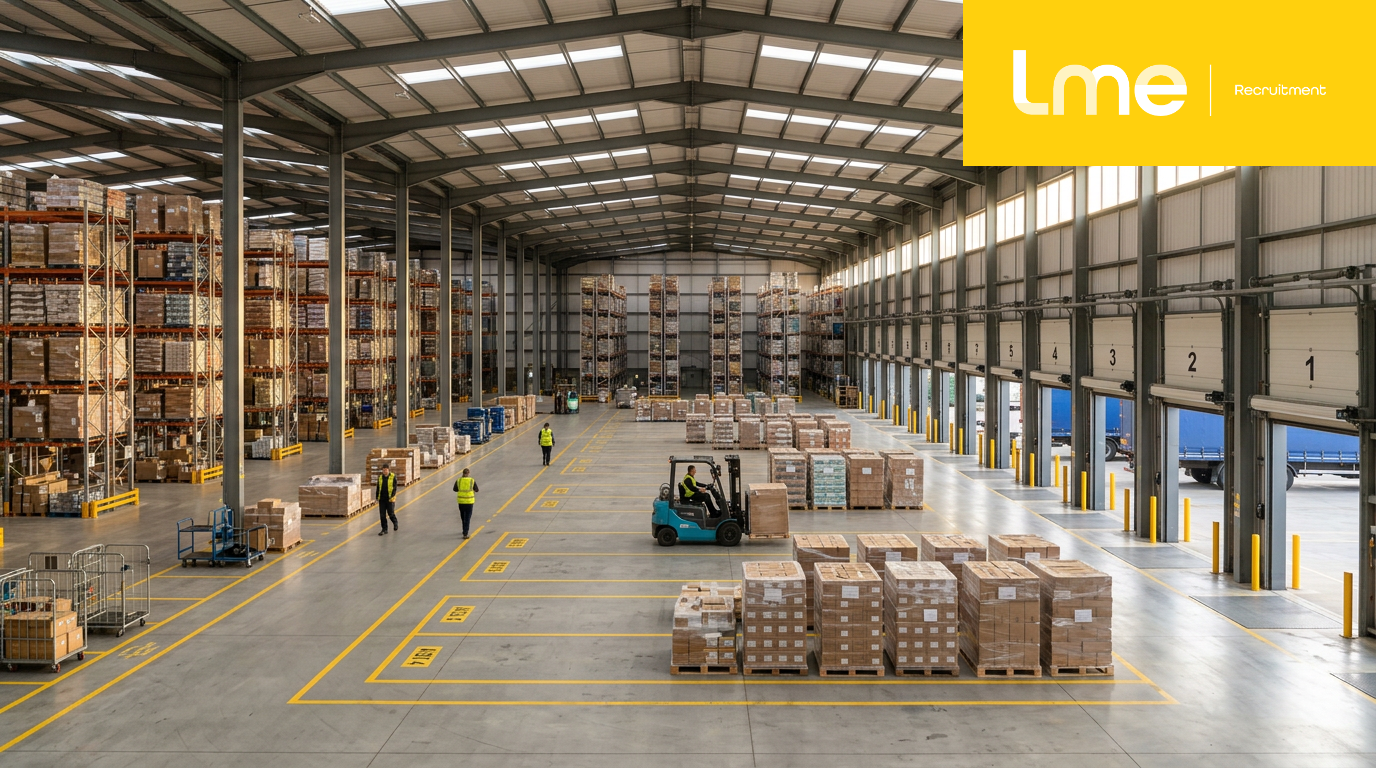
Warehousing across the UK has entered a more mature phase of technology adoption. Goods-to-person systems, autonomous mobile robots (AMRs), and advanced warehouse management systems (WMS) are now standard across modern fulfilment centres. However, the operational reality is that technology has changed the profile of the workforce rather than reduced the overall need for capable people.
Rather than solely recruiting for volume picking and packing, logistics providers are prioritising supervisory and technical talent. Facilities require warehouse shift managers who understand system architecture and can interpret real-time throughput data, alongside inventory controllers capable of managing automated stock reconciliation. Retention in these roles is particularly critical, as the cost of operational downtime in highly mechanised environments far exceeds traditional labour variances.
Road Haulage and Fleets: Decarbonisation and Route Efficiency
Road transport continues to operate on tight margins, with fleet operators navigating the gradual transition towards low- and zero-emission vehicles. As local authorities and commercial clients tighten ESG requirements, transport businesses are increasingly required to demonstrate carbon reporting and route optimisation.
This shift has altered the expectations placed on transport planners and compliance managers. The modern transport desk requires professionals who can factor in charging schedules, payload restrictions, and driver hours simultaneously. Consequently, candidates holding an up-to-date Certificate of Professional Competence (CPC) who also possess strong data-modelling skills are in high demand.
Key Hiring Priorities for UK Logistics Operators
To maintain operational resilience heading into 2027, businesses across the sector are actively recruiting across several core disciplines:
- Customs and Forwarding Specialists: Professionals experienced in ocean, air, and road freight documentation with a firm grasp of trade compliance.
- Transport Planners and Compliance Managers: Individuals capable of optimising mixed-fuel fleets while ensuring strict adherence to driver welfare and safety standards.
- WMS and Inventory Controllers: Analysts and supervisors skilled in managing modern warehouse management platforms and automated stock systems.
- Warehouse Operations Managers: Leaders who can oversee integrated teams of manual and automated resources during high-volume periods.
- HGV Mechanics and Fleet Technicians: Skilled technicians trained to service both standard commercial vehicles and emerging alternative powertrains.
Securing the Right Talent for Your Operation
Navigating late 2026 market demands requires an informed, proactive approach to recruitment. As skill requirements become more specialised across freight, warehousing, and transport, finding professionals who can make an immediate contribution is essential.
Whether you are looking to strengthen your operational team ahead of the new year or seeking your next career move within the sector, LME Recruitment provides dedicated, sector-specific support. Get in touch with our Ipswich team today to discuss your current hiring requirements or explore available roles across East Anglia and the wider UK.